Life Between the Lanes: Retail That Thrives Off the Main Street

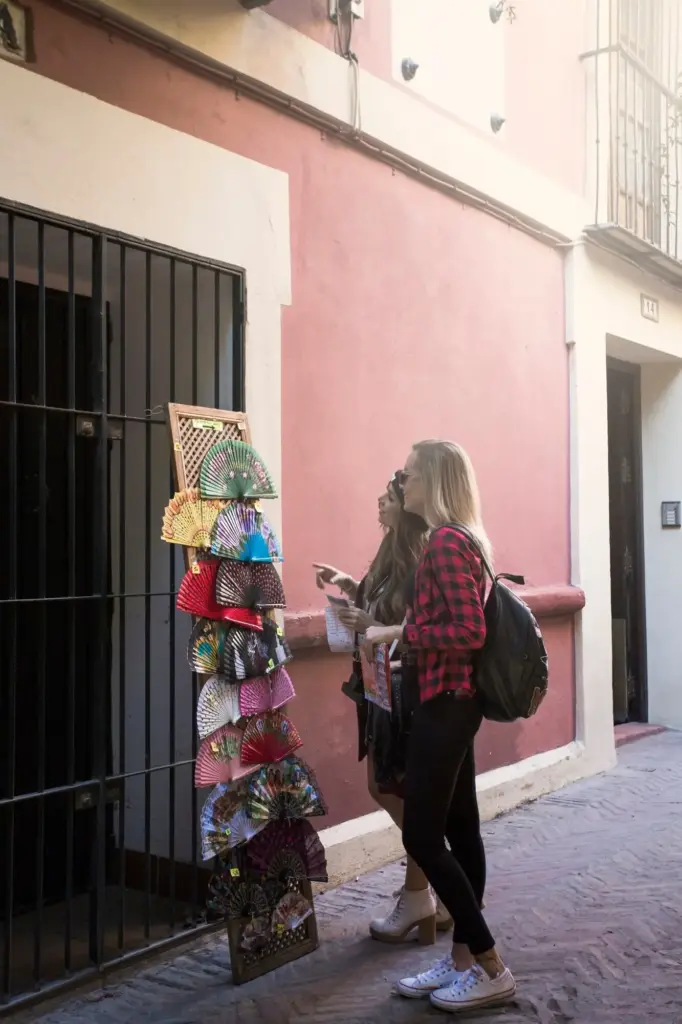
Today we explore Backstreet Retail Ecosystems in Car-Light City Centers, uncovering how tucked-away alleys, courtyards, and passageways support resilient small businesses, social life, and neighborhood character. We’ll walk the shortcuts, trace supply chains, and meet people shaping adaptable, low-impact commerce. Join the conversation, share observations from your city, and subscribe for field notes that translate street-level insights into practical actions for planners, retailers, and community advocates.

The Anatomy of Quiet Commercial Networks

Beyond the bustle of wide avenues lies an intricate mesh of narrow lanes where everyday shopping, repairs, and snacks happen at human speed. These connected backstreets turn micro-intersections into social stages, letting small-format storefronts cluster, specialize, and collaborate. Understanding their geometry and rhythms reveals how modest spaces generate outsized economic value, cultural memory, and walkability. Add your favorite alley discoveries below, and help map the overlooked circuits that keep city centers lively and welcoming.

Moving Goods and People without the Car
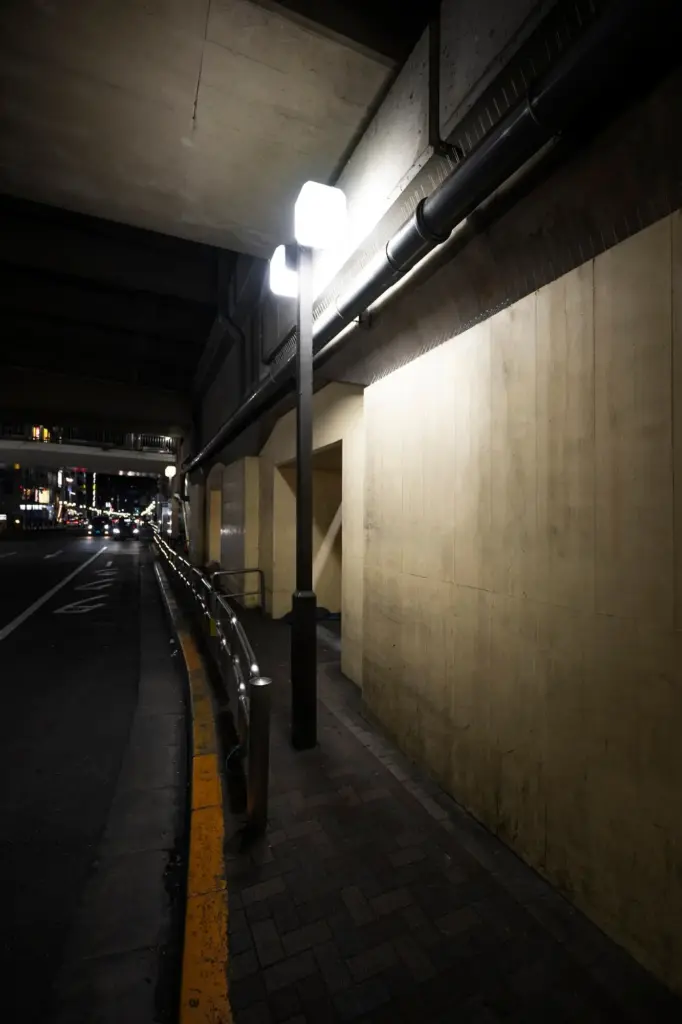
Car-light centers rely on smart logistics, timed access, and low-noise delivery to keep goods flowing without clogging precious pedestrian space. Consolidation, right-sized vehicles, and predictable schedules reduce friction for merchants and neighbors alike. Aligning curb use, micro-hubs, and storage with trading rhythms protects the intimate character of lanes while preserving efficiency. Comment with practices that work in your district, and what small changes would improve reliability, fairness, and comfort for everyone.

The Economic Ecology of Small-Format Merchants

Backstreet retail prospers when complementary offerings interlock: quick bites next to repair shops, florists near cafés, studios beside copy services. These relationships reduce marketing costs, stabilize footfall, and build trust through repeat encounters. Turnover becomes opportunity when spaces host pop-ups between long-term tenants, cultivating discovery. Share how tenant curation, flexible leases, and shared promotions in your area nurture resilience, delight regulars, and keep weekdays as engaging as weekends.

Complementarity, Specialization, and Everyday Errands

Clusters that solve multiple small needs in one short loop outperform scattered convenience. A seamstress beside a key cutter, a spice shop near a greengrocer, a clinic above a tea stand—together they anchor routines. Customers save time, while merchants benefit from cross-referrals and predictable rhythms. Describe combinations that work in your neighborhood, and which missing service would transform a pleasant shortcut into a one-stop daily circuit for locals.

Incubation, Pop-Ups, and Graduated Risk

Short-term licenses, lightweight fit-outs, and shared equipment allow new entrepreneurs to test ideas without crushing overhead. Successful pop-ups graduate into nearby permanent nooks, keeping loyal customers close. Landlords gain animated corridors and lower vacancy risk. Tell us which policies, micro-grants, or mentorships could expand this ladder in your city, and how local makers might rotate seasonally to keep lanes fresh without losing the comfort of familiar faces.

Diversification, Mutual Aid, and Shock Absorption

When disruptions hit—storms, transit strikes, or sudden closures—diverse mixes and mutual support keep doors open. Shared storage, pooled delivery, and cross-promotion help businesses bridge lean weeks. Small, flexible menus and modular shelving adapt quickly. Share a story of neighborly cooperation you witnessed, and what structural support—co-op buying, micro-insurance, or contingency hubs—would harden your local backstreet economy against the next unexpected test.


Design That Invites Lingering and Wayfinding

Design choices signal welcome: warm light under eaves, clear sightlines, and tactile edges that guide while softening noise. Subtle landmarks—murals, hanging plants, distinctive awnings—help visitors orient without maps. Wayfinding works best when commerce and culture reinforce each other. Share photos or descriptions of details that made you slow down, feel safe, and smile, and suggest three small interventions that could elevate a humble lane near you within weeks.

Culture, Trust, and Everyday Rituals

Backstreets thrive on human relationships: shopkeepers who remember names, musicians who rehearse quietly, neighbors who trade recommendations across thresholds. Rituals—morning tea, afternoon snack runs, evening chats—build dependable rhythms that data alone can’t capture. Share a memory of a lane that feels like family, and suggest how storytelling, small events, and shared etiquette could strengthen trust without overwhelming the delicate balance of trade and tranquility.

Evidence, Operations, and Continuous Improvement

Careful observation turns intuition into shared practice. Counting footfall respectfully, mapping dwell times, and listening to merchants reveal practical tweaks—moving a bench, adjusting hours, testing a micro-hub—that compound benefits. Transparent feedback loops keep investments modest and momentum steady. Post your favorite small win and the lightweight experiment you’d try next month, inviting neighbors, planners, and shopkeepers to co-own results and celebrate learning together in car-light city centers.
Lozefavozimevivoti
Privacy Overview

This website uses cookies so that we can provide you with the best user experience possible. Cookie information is stored in your browser and performs functions such as recognising you when you return to our website and helping our team to understand which sections of the website you find most interesting and useful.