Climbing Cities: Life Along Stairways and Sheltered Passages
Step into the layered character of hilly urban districts, where stairway networks and covered passages stitch neighborhoods together, shorten journeys, and shape daily rituals. Today we explore stairway networks and covered passages in hilly urban districts through stories, design insights, and lived experiences, revealing how elevation becomes opportunity, shelter becomes community, and every landing offers a moment to breathe, greet, trade, and look back at the path already won.
How Elevation Shaped Everyday Paths
Before asphalt grids and elevators, hills taught cities to move differently. Steps multiplied where streets could not, terraces caught sunlight and rain, and covered passages formed protective ribs against wind and weather. From Genoa’s caruggi to Valparaíso’s zigzag staircases and Hong Kong’s Mid-Levels system, people learned to fold distance into manageable climbs. These routes still influence where children play, elders rest, shopkeepers set out baskets, and neighbors exchange news, binding scattered elevations into a walkable, living whole.
Proportions that Protect Knees
Classic rules of thumb, such as keeping two risers plus one tread within a comfortable range, safeguard rhythm and reduce fatigue. Gentler rises paired with deeper treads suit mixed ages, while intermediate landings reset breathing. Handrails at varied heights support children and elders alike. Clear sightlines and wide corners ease passing. When proportions honor the smallest stride and the heaviest bag, people trust the climb, return more often, and recommend the route to friends who might otherwise avoid hills.
Rain, Drainage, and Slip Resistance
Hills concentrate water, so every stair must become a careful stream manager. Slight crossfalls, discreet channels, and scuppers move stormwater fast without puddling. Grooved nosings, textured stone, and resilient inserts bite into soles under rain. In covered passages, gutters and downspouts dodge heads while quietly pulling water outside. Maintenance crews need unobstructed access to clear leaves and grit. When drainage is felt but not seen, confidence grows, pace steadies, and even storm days remain surprisingly walkable.
Networks, Mobility, and the Five-Minute Shortcut
Single stairways help, but networks unlock the magic. Multiple route options give resilience, reduce congestion, and bring shops within reach. When steps align with bus stops, funiculars, and tram landings, last-mile gaps shrink. Desire lines mapped by residents often reveal better connections than formal plans. Simple wayfinding—subtle arrows, street names on risers, QR codes for detours—keeps people flowing. Well-connected stairs can trim five-minute detours into ninety-second links, changing errands from car-bound chores into energized, social walks.
Climate, Comfort, and Safety After Dark
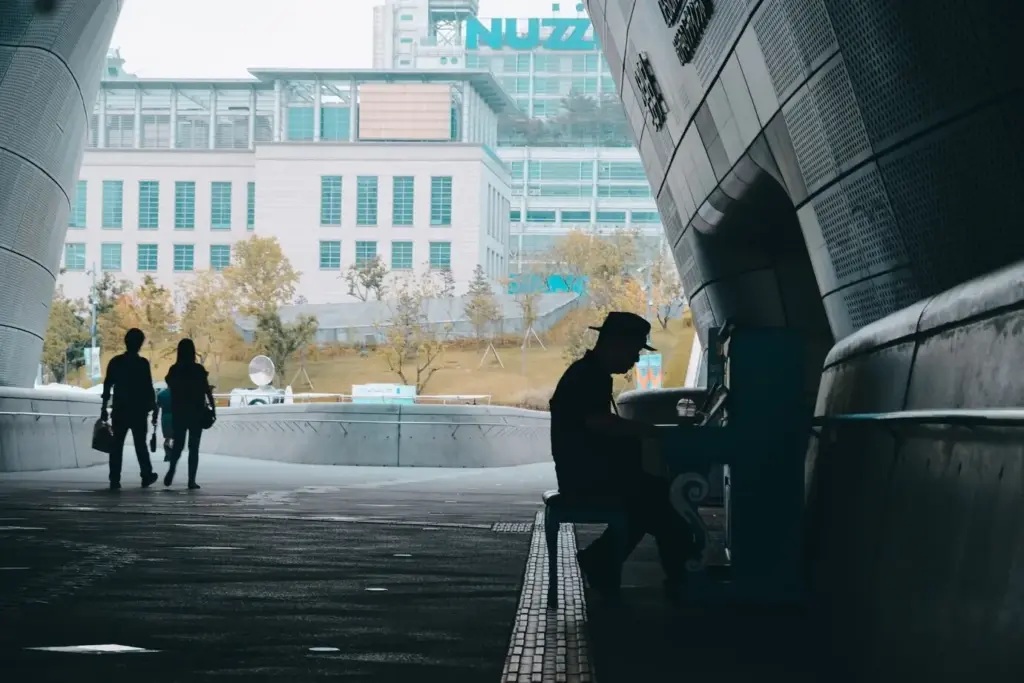
Steep cities meet weather at sharp angles: heat pools, winds accelerate, fog kisses landings, and darkness arrives unevenly. Thoughtful microclimate design brings shade trees, reflective finishes, and wind breaks to tender spots, while covered passages moderate extremes without closing off sky. Lighting should guide steps safely without glare or harsh shadows. Subtle sensors brighten as people approach. When comfort persists after sunset, residents reclaim evenings for conversations, errands, and quiet climbs, replacing anxiety with ease and familiar company.
Culture, Commerce, and Street Life on the Rise
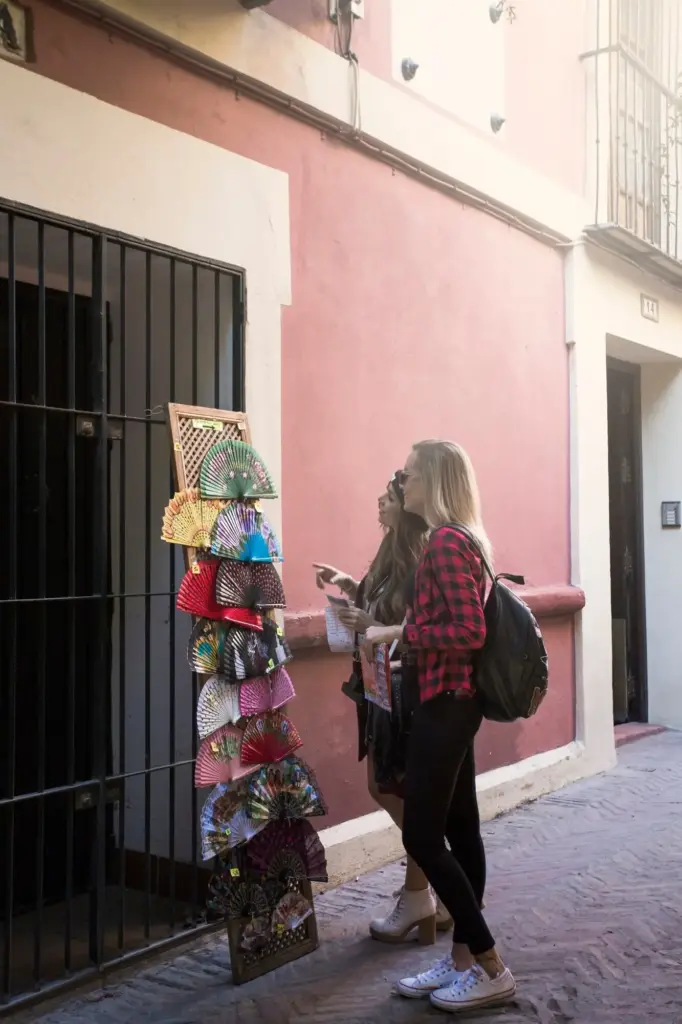
Stairs are stages, and covered passages are galleries where everyday performance unfolds. Murals announce neighborhood identity, musicians test acoustics, and pop-up vendors find grateful shade. Weekend festivals weave ribbons of color along risers, while small libraries and repair tables appear near landings. Care must balance celebration with access, ensuring music coexists with rest, and vendors leave paths clear. When culture respects movement, the climb transforms from effort into invitation, revealing communities at their most generous and expressive.

Care, Renewal, and Community Stewardship
Networks endure when maintenance is visible, timely, and shared. Crews clear drains after storms, volunteers repaint handrails, and local schools adopt landings to track small repairs. Retrofitting adds tactile paving, double-height rails, and bike channels without erasing history. Feedback loops—QR codes, monthly walks, and public dashboards—keep everyone informed. Share your own stair story or photo and subscribe for updates; your observations can pinpoint hazards, celebrate improvements, and inspire other cities to climb toward more gracious, connective daily routes.

Maintenance Routines that Matter
Predictable care beats heroic rescue. A simple schedule—sweep weekly, clear drains after heavy rain, test lights monthly—prevents costly damage. Non-slip coatings reapplied before winter, handrail checks after festivals, and periodic joint repairs keep everything sturdy. Posting maintenance calendars builds trust, while small grants reward resident caretakers. When upkeep becomes habit, the network’s reliability feels unremarkable in the best way, letting neighbors focus on errands, chats, and views rather than the worry of broken steps ahead.
Retrofitting for Inclusion Without Erasure
Updating historic stairs can respect character while expanding access. Add intermediate rails, contrasting nosings, and tactile cues at transitions. Where slopes allow, install gentle ramps beside step runs or incorporate short lifts at key junctions. Bike channels support cargo cycles and strollers without blocking walkers. Materials chosen to echo existing textures stitch old and new together. Listening to elders and wheelchair users reveals missing details, ensuring upgrades welcome more bodies while preserving the familiar comfort of place.
All Rights Reserved.